Intranet

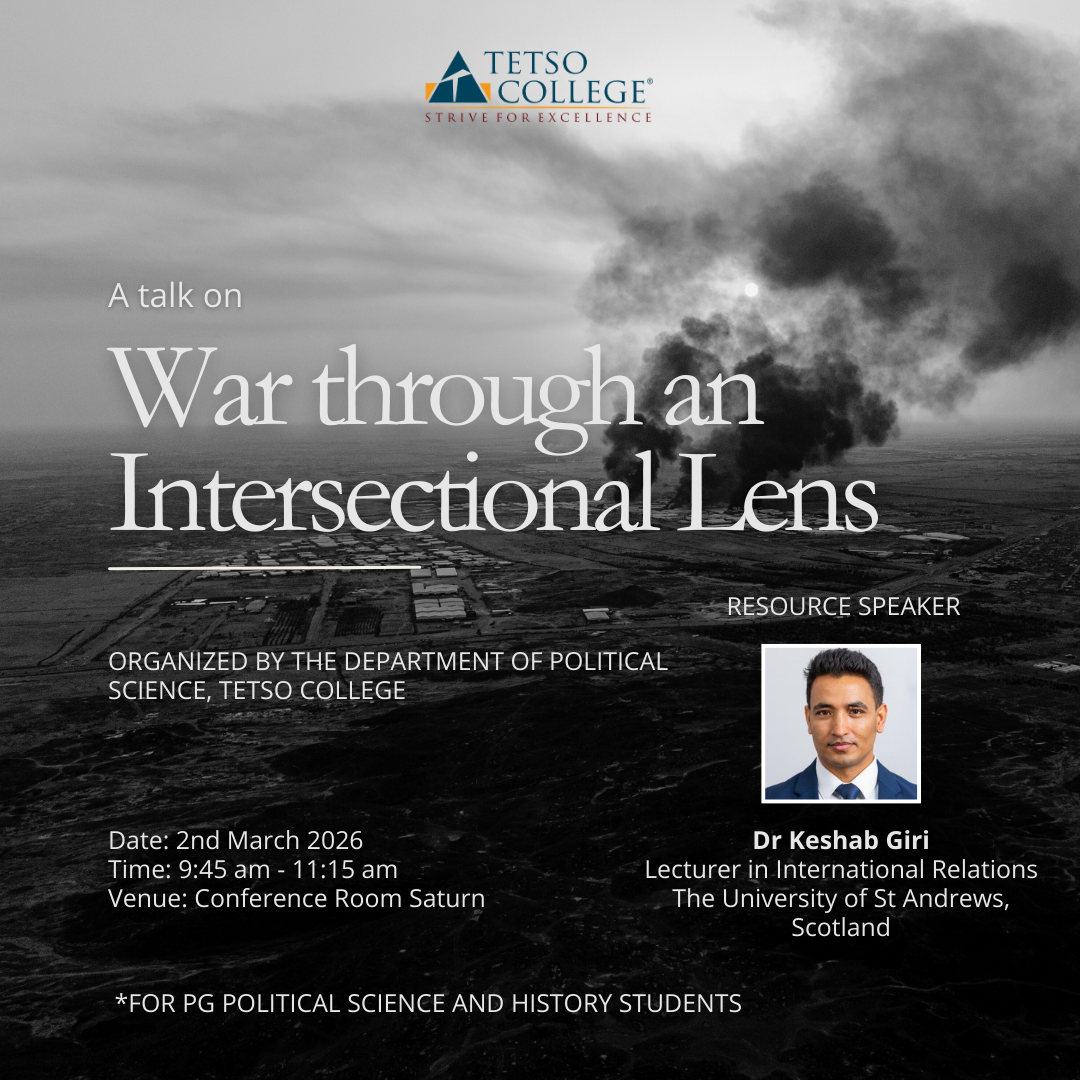
Abstract:
The exponential growth in literature on female combatants in rebel groups so far has explored “why” women rebel, “where” women rebel, and “when” women rebel. Yet, existing literature largely assumes women combatants as a homogenous universal category having similar experiences of war and “post-war.” In this milieu, this book focuses on “how” women rebel given their multiple intersecting identities and social subjectivities. It looks at how female combatants experience war and “post-war” in public and private spheres by using intersectionality both as a theoretical framework and a methodological tool inspired by feminist research methodology to explore complex experiences of women combatants during and after the war. The book finds that female combatants’ experiences of war and “post-war,” both in public and private spheres, are conditioned by their interlocking systems of oppression and identities, such as class, caste, ethnicity, social status, educational status, and geographical location. The book makes an important contribution to the feminist International Relations literature, feminist security studies, and has significant policy implications, particularly concerning the reintegration of female combatants, peacebuilding, and the Women, Peace, and Security Agenda.
About the Resource Speaker:
Keshab (he/him/his) is a Lecturer in International Relations at The University of St Andrews. He is also a research fellow at the Women and Public Policy Program, Harvard Kennedy School (2023-24). His research interests include women combatants, intersectionality, gender and war, armed conflicts in South Asia, rebel governance, feminist International Relations, and feminist research methodology.
Copyright © . All Rights Reserved.
Tetso College provides a variety of scholarships and need based assistance for students. This aligns to our mission and vision to empower people towards lifelong excellence and to create a positive impact in the world. we recognise excellence in sports, academics and societal impact.